
The Core of Bibimbap: Preparing Greens and Ingredients
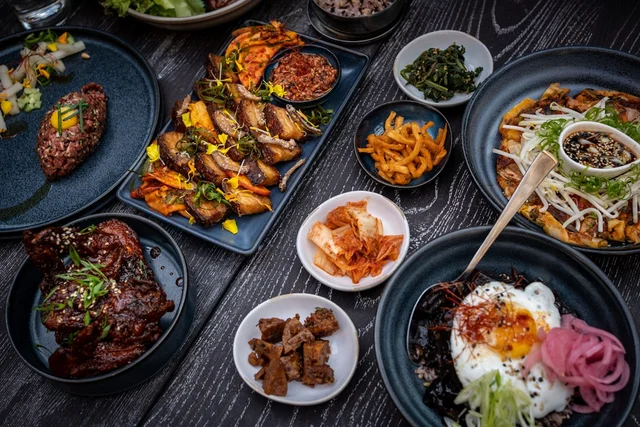
The most important element that defines the taste of bibimbap is fresh namul (seasoned greens). The key is to highlight the unique texture and aroma of each ingredient, such as spinach, bellflower root, bracken, and bean sprouts. Blanch the spinach briefly and season lightly with salt and sesame oil to keep it crisp, while sautéing bracken and bellflower root in perilla oil maximizes their nutty flavor. The secret is to cook the greens for a short time so they retain their natural, vibrant colors rather than overcooking them. To balance the nutrition, add thinly sliced beef round, marinated in soy sauce and sugar, for a perfect protein boost. When preparing ingredients, cutting vegetables to a uniform length creates a neat and appetizing look when plated. Finally, top it off with a sunny-side-up egg—the slightly runny yolk will blend with the greens to add a rich, savory flavor, which is the secret to the most delicious bibimbap experience.
Flavor Explosion! The Golden Ratio for Bibimbap Gochujang Sauce
No matter how delicious the greens are, the dish won't shine without a great gochujang sauce. Try mixing store-bought gochujang with 1 tbsp of plum extract, 0.5 tbsp of minced garlic, 1 tbsp of sesame oil, and a generous amount of toasted sesame seeds. For something extra special, we recommend 'Yak-gochujang' (seasoned meat paste), made by sautéing minced beef into the sauce. Yak-gochujang has a deeper, savory umami profile and blends much more smoothly with the other ingredients. When adding the sauce, don't add too much at once; toss the ingredients in sesame oil first, then add the sauce gradually to adjust the seasoning. A professional tip for maintaining the texture: use chopsticks instead of a spoon to gently mix the ingredients so the greens don't lose their crispness. Bibimbap prepared with this much care and fresh greens is more than just a meal—it's a healthy, energizing tonic.