Mastering Heat Control and Temperature to Lock in Juices
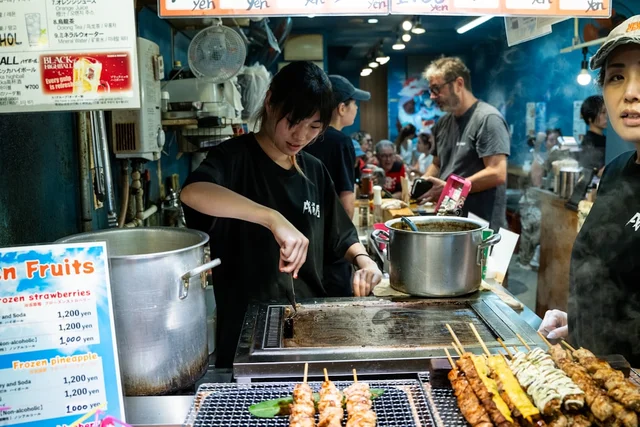
The secret to great grilled meat is, above all, the 'juices.' Many people make the mistake of putting meat on a pan that isn't hot enough, which leads to tough, chewy results. Preheating your grill or pan is crucial. The ideal state is when a droplet of water sizzles and evaporates instantly upon contact. Once the meat is on, the key is to resist flipping it too often. Wait until a brown, flavorful crust forms—this is the 'Maillard reaction'—then flip it only once. This ensures the juices stay trapped inside, keeping the exterior crispy and the interior succulent. Additionally, 'tempering' your meat by taking it out of the fridge 30 minutes before cooking reduces the temperature difference between the inside and outside, resulting in a much more tender texture. Remember, grilling is more than just cooking; it’s a scientific process to maximize flavor.
Custom Grilling Strategies and Perfect Pairings
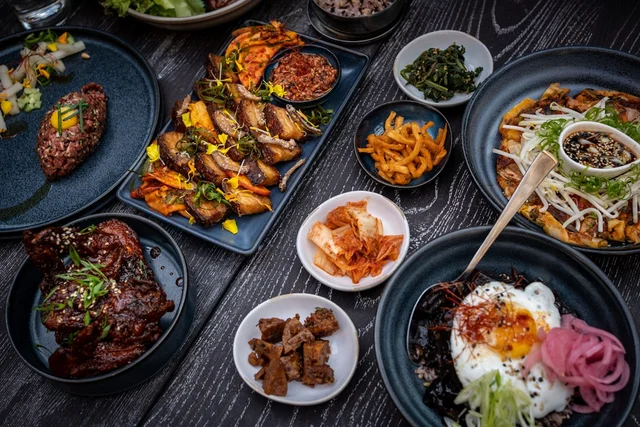
Every cut, from pork belly (samgyeopsal) and pork shoulder (moksal) to beef, requires a different approach. Because pork belly is fatty, it should be cooked thoroughly until the fat renders and turns crispy. Pork shoulder can become dry if overcooked, so aim for 80% doneness, then slice into bite-sized pieces and sear the sides briefly. For beef, the key is high heat to quickly sear the outside and lock in the moisture. Pairings can elevate the flavor even further: grill garlic and green onions in the rendered fat for an aromatic touch, and use fresh perilla or lettuce leaves to balance the richness. A popular modern trend is adding a dab of wasabi; its sharp, clean heat cuts through the fat beautifully. Whether you enjoy the meat with a simple pinch of salt or with homemade spicy scallion salad (pajeori), experience the pinnacle of Korean-style BBQ at home.